

Margaret, 84. Active trial participant since 2019.
Aging is not a disease.
It is a subject worthy of serious attention.
The Longevity Research Center studies how human bodies age — measuring telomere erosion, tracking sarcopenia progression, and designing interventions that add function to years.
Scroll
Research Focus
Measuring the mechanisms
of biological aging.
Three active research programs. One shared question: how do we extend the years when life is still fully lived?
Telomere Biology
Telomere length as a window into cellular age.
We measure telomere length via quantitative PCR across longitudinal cohorts, correlating erosion rates with inflammatory cytokine profiles and functional decline markers.
Sarcopenia Progression
Tracking muscle loss across a decade.
Dual-energy X-ray absorptiometry (DEXA) and grip-strength dynamometry track muscle mass and functional capacity across a 12-year cohort of adults aged 65–92.
Cognitive Reserve
Identifying cognitive decline before it becomes visible.
Neuropsychological batteries combined with fMRI connectivity mapping identify early signatures of cognitive reserve depletion, enabling earlier clinical intervention.

Three Voices
The researcher, the participant,
and the physician who referred her.
We're not studying how people die. We're studying how people continue to live — and what the body needs to do that with dignity.

Dr. James Okafor
Molecular Gerontologist · Principal Investigator

"I came in thinking I was doing them a favor. After two years, I realize they've been doing me one."
— Ruth Nakamura, 79. STRIDE-2 trial participant.
Referring Physician Note — scanned
"My patient returned from her first visit with a printed summary I could actually use. Her MMSE held. Her gait speed improved. I've referred four more since."
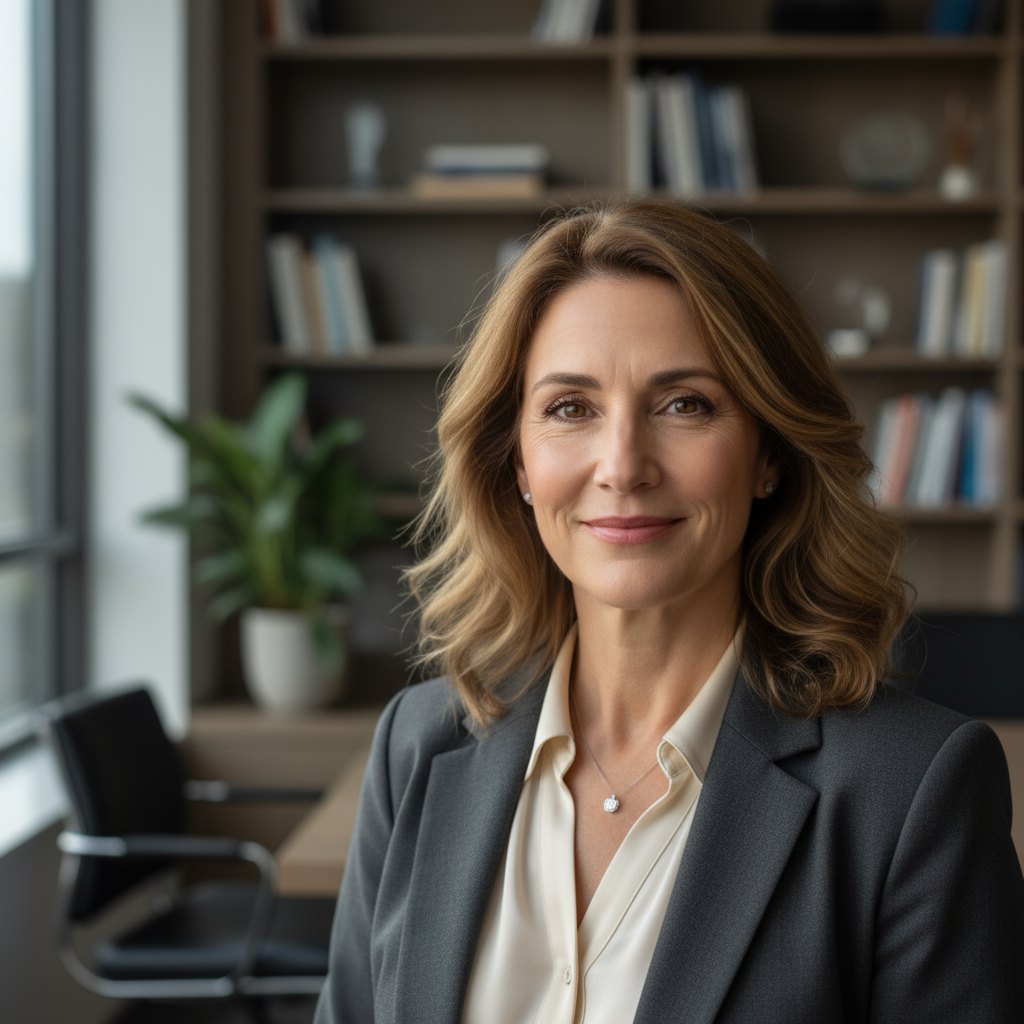
Dr. Priya Subramaniam
Geriatrics, UCSF Medical Center
Trial Outcomes
of STRIDE-2 participants maintained or improved functional independence scores at 18-month follow-up.
"The question we ask is not 'how long?' but 'how well?' Our biomarker panels are designed to predict function, not just survival — because those are different outcomes with different interventions."

Dr. Amara Osei
Clinical Research Nurse · Biomarker Program Lead
Research Faculty
The people asking
the hard questions.
Interdisciplinary by design. Our faculty hold joint appointments across medicine, biology, and public health.
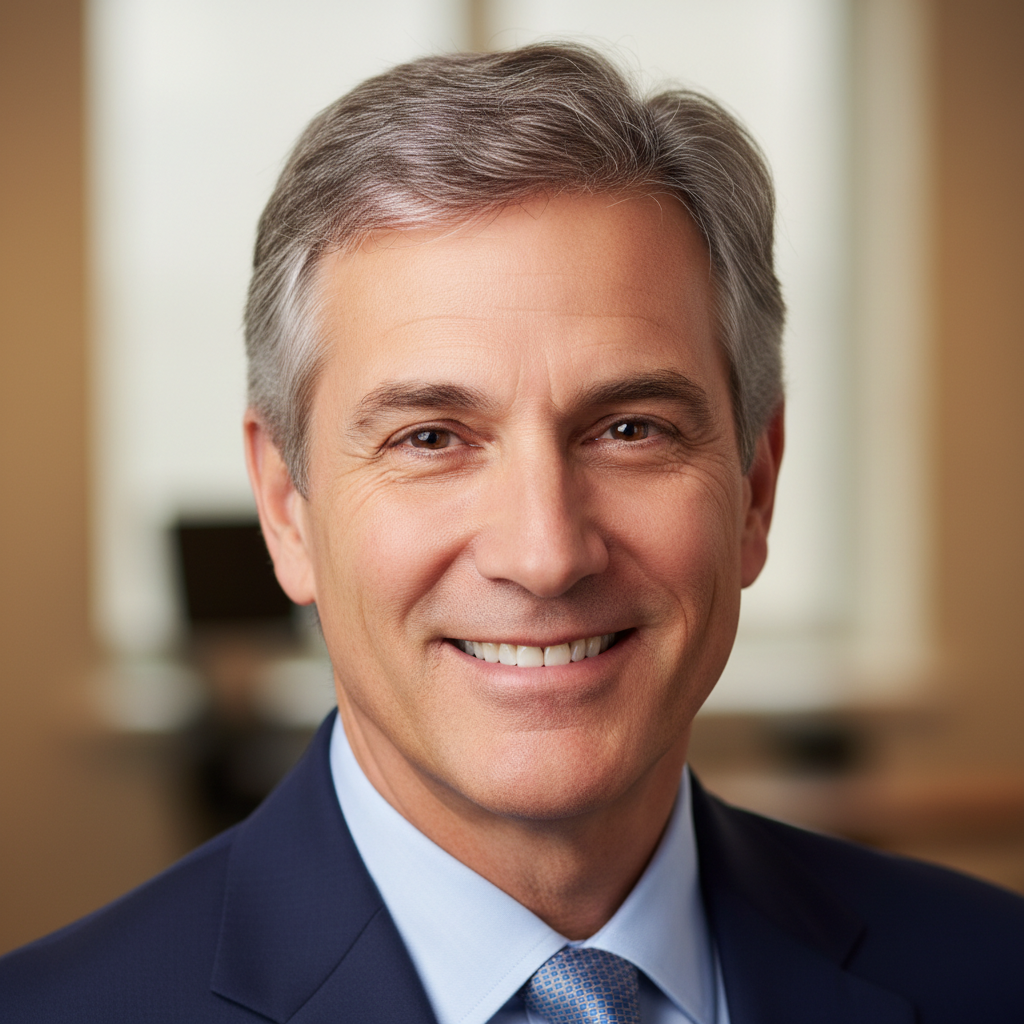
Molecular Gerontology
Dr. James Okafor
Principal Investigator
Telomere biology, oxidative stress, cellular senescence
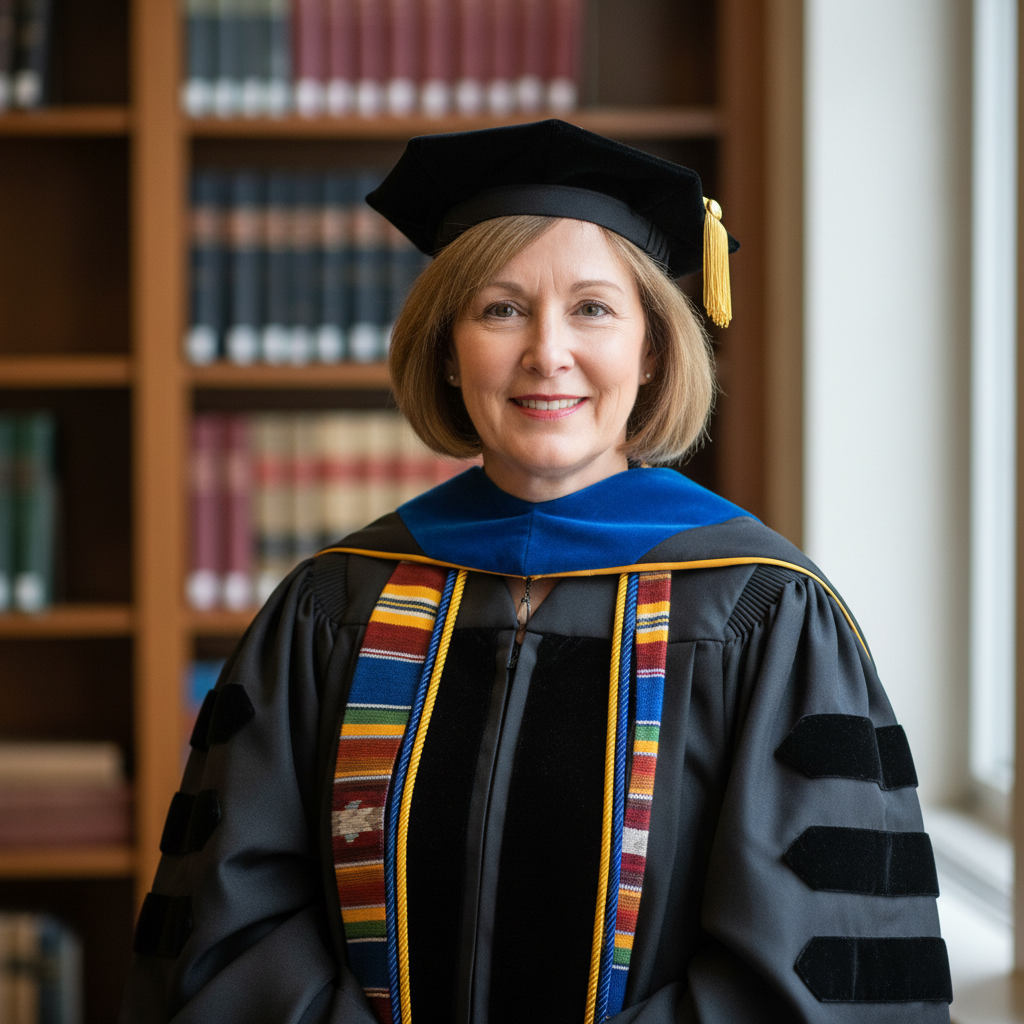
Clinical Geriatrics
Dr. Lena Hoffmann
Associate Professor
Sarcopenia interventions, physical rehabilitation, frailty indices
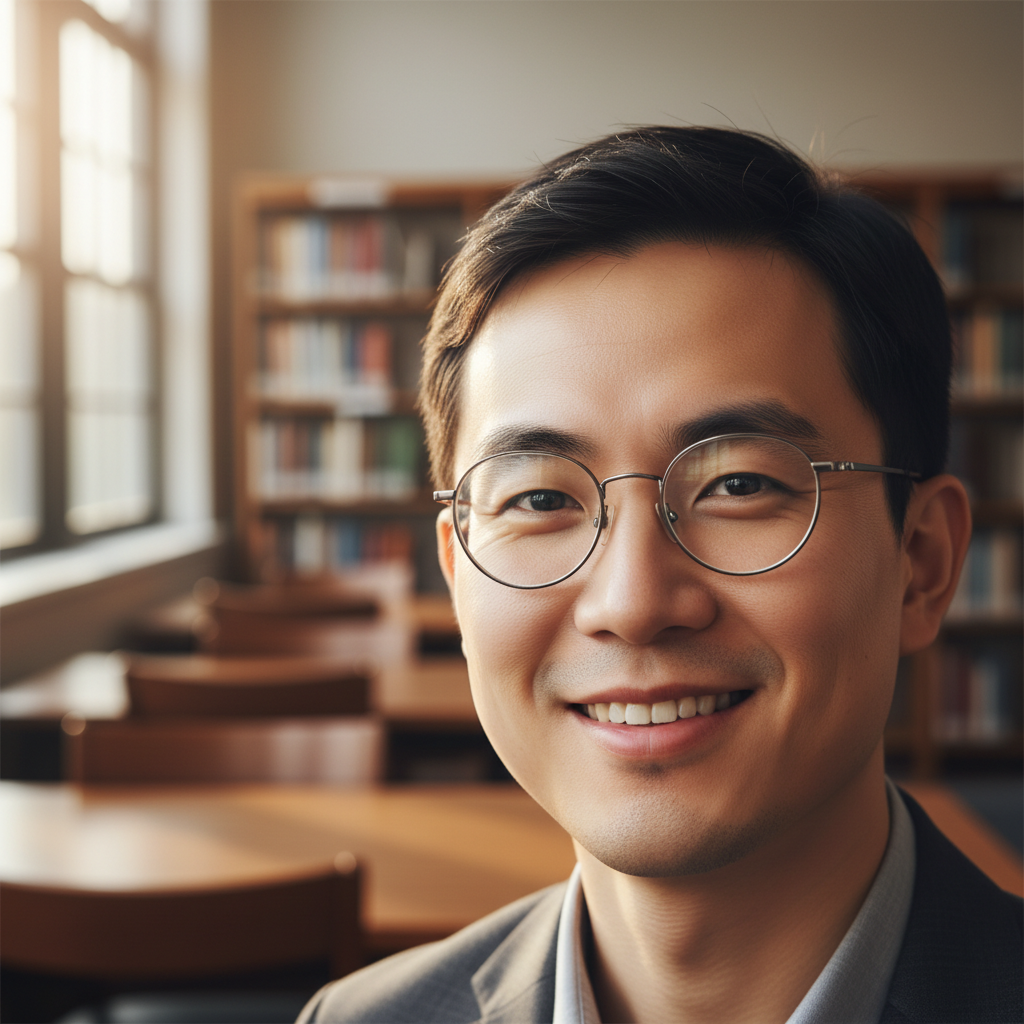
Cognitive Neuroscience
Dr. Marcus Chen
Assistant Professor
Cognitive reserve, neuroimaging, dementia prevention
Academic Collaboration
Joint grants, shared cohorts,
co-authored findings.
We currently hold active collaborations with 11 institutions across 6 countries.
2024 Publication
The Aging Research
Compendium 2024.

Aging Research
Compendium
Longevity Research Center · 2024
Longitudinal biomarker data from 847 enrolled participants
Methodology for telomere length quantification (qPCR protocol)
STRIDE-2 sarcopenia trial 18-month outcomes
MIND-2 cognitive intervention results and 2025 agenda
Joint grant framework for academic collaborators
Download the Compendium
84 pages of methodology, outcomes, and the 2025 research agenda. No paywall. Just an email.
IRB-approved research · HIPAA compliant
All participant data in this compendium is de-identified per 45 CFR 46. Contact information is never shared with third parties.